The Ultimate Guide To Companion Planting Bay Leaves
The Ultimate Guide to Companion Planting Bay Leaves
Bay leaves are a versatile herb that can be used in both cooking and gardening. In the garden, bay leaves can be used as companion plants to attract beneficial insects, deter pests, and improve the overall health of your plants.
In this guide, we will discuss the benefits of companion planting bay leaves, as well as some of the best plants to pair them with. We will also provide tips on how to plant and care for bay leaves in your garden.
Benefits of Companion Planting Bay Leaves
There are many benefits to companion planting bay leaves. Some of the most common benefits include:
- Attracting beneficial insects: Bay leaves can attract beneficial insects such as ladybugs, lacewings, and parasitic wasps. These insects help to control pests in your garden, which can save you time and money on pesticides.
- Deterring pests: Bay leaves can also deter pests such as cabbage moths, carrot flies, and spider mites. The strong aroma of bay leaves can confuse and repel these pests, making them less likely to attack your plants.
- Improving soil health: Bay leaves can help to improve the overall health of your soil. They release nutrients into the soil that can help to feed your plants, and they also help to suppress the growth of harmful bacteria and fungi.
- Attracting pollinators: Bay leaves can attract pollinators such as bees and butterflies. These pollinators are essential for a healthy garden, as they help to pollinate flowers and fruits.
Best Plants to Companion Plant with Bay Leaves
There are many different plants that can be paired with bay leaves. Some of the best companion plants include:
- Beans: Beans are a nitrogen-fixing plant, which means they can help to improve the nitrogen content of the soil. This is beneficial for bay leaves, as they require nitrogen to thrive.
- Rosemary: Rosemary is another herb that can help to deter pests. It also has a similar growth habit to bay leaves, so they can be planted together without competing for space.
- Lavender: Lavender is a beautiful flower that can also help to repel pests. It has a strong aroma that can confuse and deter insects.
- Oregano: Oregano is a flavorful herb that can be used in cooking. It also has insect-repelling properties, and it can help to improve the flavor of bay leaves.
- Olive trees: Olive trees are native to the same region as bay leaves, so they are well-suited to growing together. They can also help to protect bay leaves from cold weather.
- Citrus trees: Citrus trees release a volatile oil that can help to deter pests. They can also help to improve the flavor of bay leaves.
- Pomegranate: Pomegranate trees are attractive and can provide shade for bay leaves. They can also help to attract pollinators.
How to Plant and Care for Bay Leaves
Bay leaves can be planted in the ground or in a container. If planting in the ground, choose a spot that receives full sun or partial shade. The soil should be well-drained and rich in organic matter. Bay leaves are not tolerant of cold weather, so they should be planted in a location that does not experience frost.
If planting in a container, choose a pot that is at least 18 inches in diameter. Use a high-quality potting mix that is well-drained. Bay leaves can be planted in the spring or fall.
Water bay leaves regularly, especially during the first year after planting. Once established, they are relatively drought-tolerant. Fertilize bay leaves every few months with a balanced fertilizer.
Bay leaves can be pruned to maintain their shape and size. Pruning can also help to encourage new growth.
Conclusion
Bay leaves are a versatile and beneficial herb that can be used in both cooking and gardening. By companion planting bay leaves with the right plants, you can attract beneficial insects, deter pests, and improve the overall health of your garden.
Bay leaves are a versatile herb that can be used in a variety of dishes, but they're also beneficial to other plants in the garden. When companion planted with the right herbs, bay leaves can help to improve the growth and health of their neighbors.
Some of the best companion plants for bay leaves include:
Rosemary: Rosemary is another Mediterranean herb that shares similar growing conditions with bay leaves. The two plants can help to repel pests and attract beneficial insects. [TODO] Add more companion plants
Lavender: Lavender is a fragrant herb that can help to deter pests and improve the flavor of bay leaves.
Oregano: Oregano is a hardy herb that can help to improve the drainage of the soil around bay trees.
Citrus trees: Citrus trees can help to attract beneficial insects, which can help to protect bay leaves from pests.
If you're interested in learning more about bay leaf companion planting, I recommend visiting Gardenia Inspiration. This website has a wealth of information on the topic, including a list of recommended companion plants, tips on how to plant them together, and information on the benefits of companion planting.
FAQ of bay leaf companion planting
- What are some good companion plants for bay laurel?
Some good companion plants for bay laurel include:
- Asparagus. Asparagus helps to repel asparagus beetles, which can be a problem for bay laurel.
- Carrots. Carrots help to suppress the growth of nematodes, which can be a problem for bay laurel.
- Cucumbers. Cucumbers help to attract pollinators, which can help to improve the pollination of bay laurel.
- Herbs. Other herbs, such as rosemary, thyme, and oregano, can be good companion plants for bay laurel. These herbs help to attract beneficial insects and repel pests.
- Tomatoes. Tomatoes help to deter whiteflies, which can be a problem for bay laurel.
- What are some bad companion plants for bay laurel?
Some bad companion plants for bay laurel include:
- Beans. Beans can compete with bay laurel for nutrients and water.
- Peas. Peas can also compete with bay laurel for nutrients and water.
- Rhubarb. Rhubarb can release chemicals that can stunt the growth of bay laurel.
- Squash. Squash can compete with bay laurel for nutrients and water.
- Turnips. Turnips can release chemicals that can stunt the growth of bay laurel.
- How far apart should bay laurel plants be planted?
Bay laurel plants should be planted about 6 feet apart. This will give them enough space to grow and spread.
- How much sunlight do bay laurel plants need?
Bay laurel plants need full sun, at least 6 hours of direct sunlight per day. They can tolerate some shade, but they will not grow as well.
- How much water do bay laurel plants need?
Bay laurel plants need regular watering, especially during the hot summer months. The soil should be kept moist, but not soggy.
Image of bay leaf companion planting
Here are 5 images of bay leaf companion planting from Pinterest:
- Oregano is a good companion plant for bay leaf because it helps to repel pests like mosquitoes and flies.
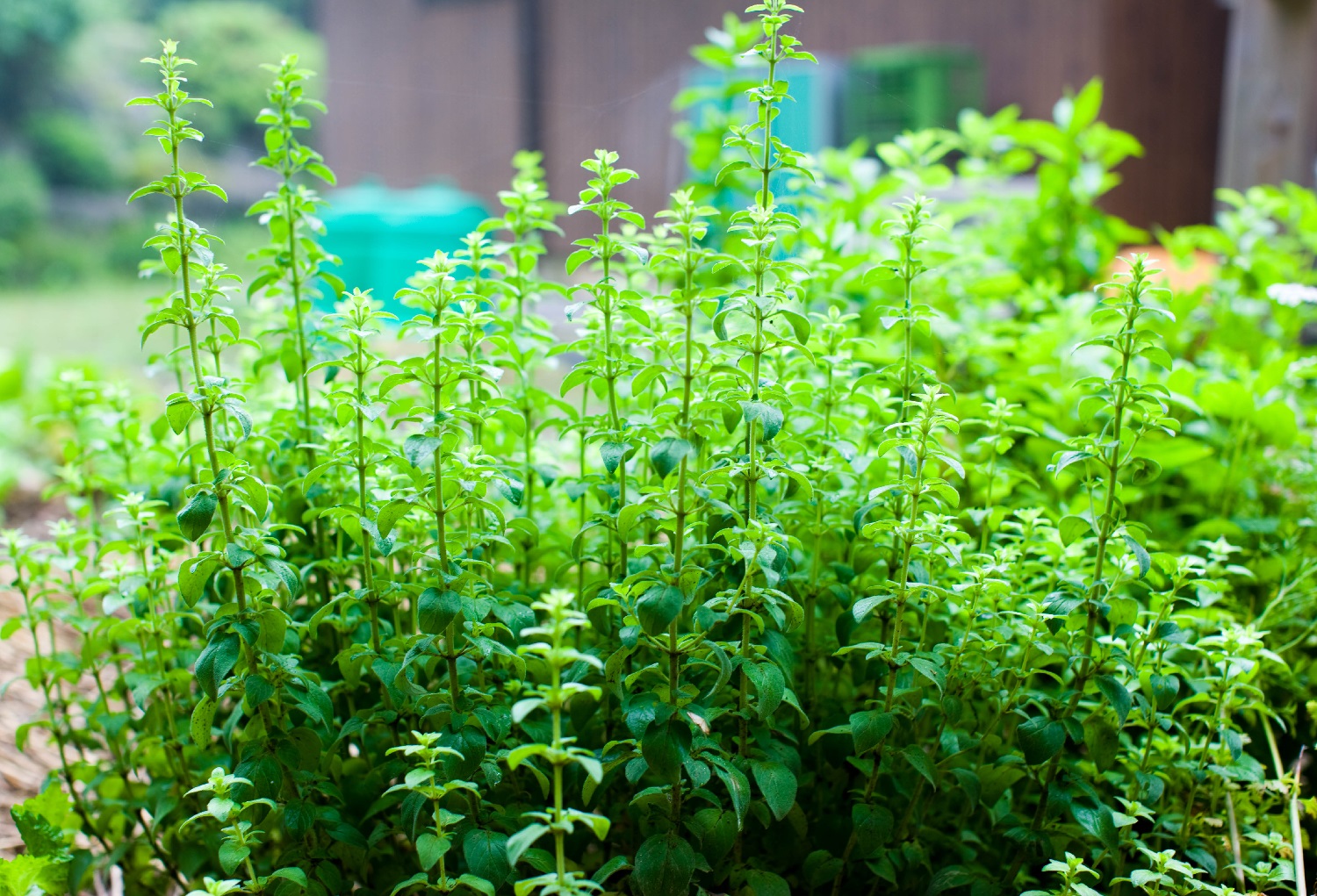
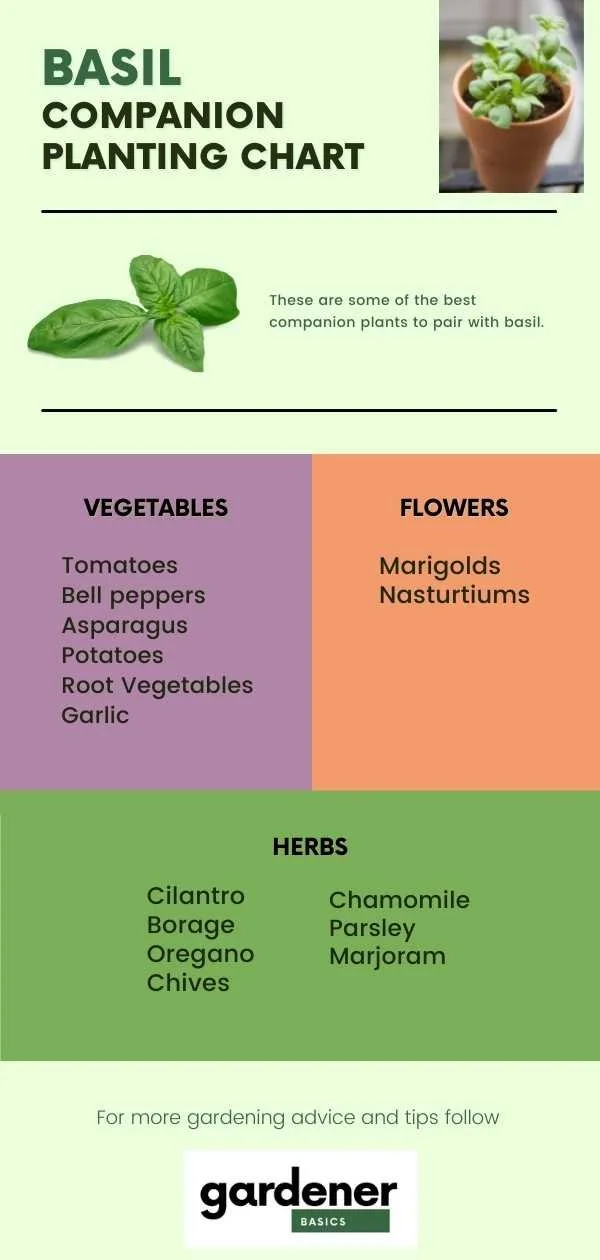
- Basil is another good companion plant for bay leaf. It helps to improve the flavor of bay leaf and also helps to repel pests.
- Thyme is a good companion plant for bay leaf because it helps to attract beneficial insects like ladybugs and hoverflies. These insects help to control pests in the garden.
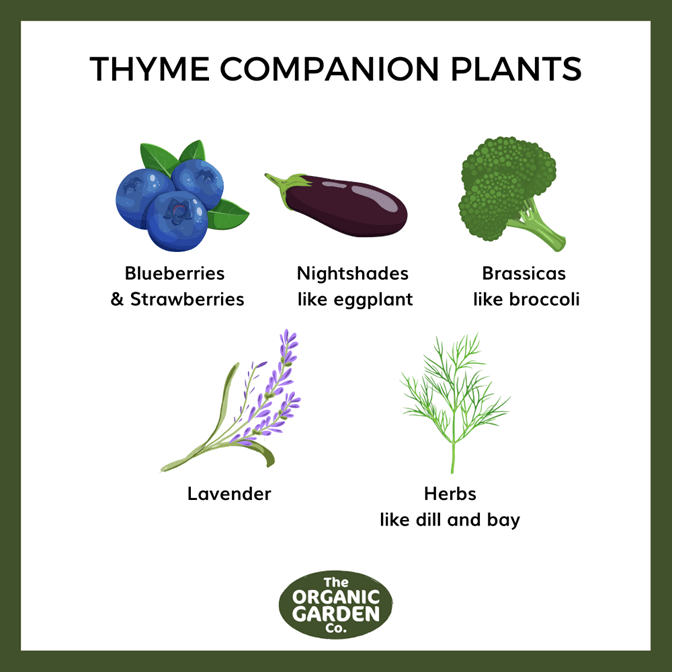
- Coriander is a good companion plant for bay leaf because it helps to improve the flavor of bay leaf and also helps to repel pests.

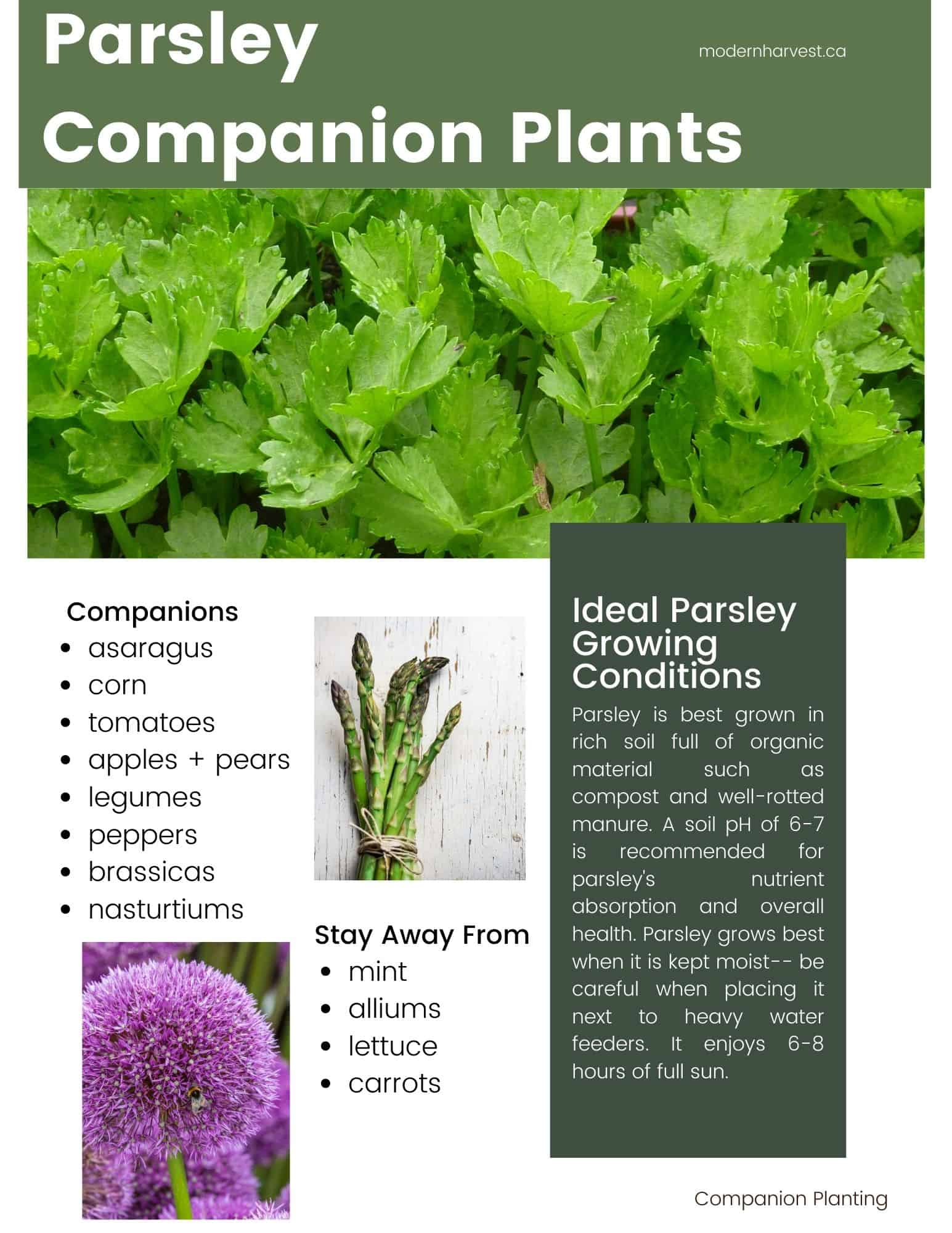
- Parsley is a good companion plant for bay leaf because it helps to improve the flavor of bay leaf and also helps to attract beneficial insects like ladybugs and hoverflies. These insects help to control pests in the garden.

Post a Comment for "The Ultimate Guide To Companion Planting Bay Leaves"